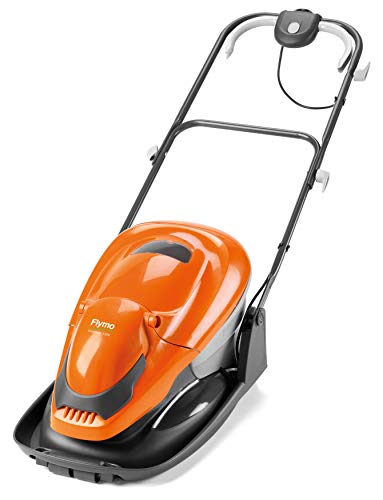
easy garden shredder techniques for beginners to master
Using a garden shredder can significantly reduce the amount of time and effort needed to manage garden waste, making it an essential tool for any gardening enthusiast. Whether you are dealing with branches, leaves, or any other organic material, mastering some easy techniques can enhance your shredding experience and yield better results.
Understanding Your Garden Shredder
Before diving into the processes, it is vital to understand the different types of garden shredders available. There are mainly two types: electric shredders and petrol shredders. Electric shredders are generally quieter, require less maintenance, and are suited for smaller gardens, while petrol shredders are more powerful and ideal for larger properties. Familiarise yourself with your specific model by reading the manual, as this will help you understand its capabilities and limitations.
Preparing Your Garden Waste
Preparation is key in achieving an efficient shredding process. Start by gathering all the organic materials you intend to shred. This can include branches, twigs, leaves, and even small shrubs. Ensure that the materials are dry and free from any dirt or stones. Wet or heavy waste can clog your machine, leading to frustrating downtime. For branches, aim for a diameter that matches the capacity of your shredder, as exceeding this size can damage the blades.
People Also Look For:
- AIVOLT Electric Garden Shredder 2500W with 50L Collection Bag
- VonHaus Electric Lawn Mower, 1800W, 52L Collection Bag, 430 mm Width
- Hyundai 20" Self-Propelled Petrol Lawnmower, 51 cm Cutting Width
- Flymo 18V SimpliMow 320 Cordless Lawnmower 32cm
- Einhell Electric Lawn Mower, 1600W, 37 cm Cutting Width, 38 L Grass Box
Shredding Techniques
When you begin shredding, it is advisable to feed the machine slowly. Avoid forcefully pushing materials into the shredder, as this can cause blockages. Instead, allow the machine to draw in the waste at its own pace. For optimal results, vary the types of material you feed into the shredder. Mixing softer greens with tougher branches helps maintain a consistent flow and prevents jamming.
Utilising the Mulch
One of the great advantages of using a garden shredder is the ability to create mulch from the shredded material. This mulch can be used to enrich your soil, suppress weeds, and retain moisture in your garden beds. After shredding, spread the mulch evenly around your plants, taking care not to pile it against stems as this can promote rot. Additionally, consider composting your shredded material, as it can break down more quickly when finely shredded.
Safety First
Safety should always be a priority when operating a garden shredder. Wear protective gear, including gloves, goggles, and sturdy footwear, to safeguard yourself against flying debris. Ensure that you keep long hair tied back and avoid loose clothing that could get caught in the machine. Lastly, never attempt to reach into the shredder while it is operating, and always turn it off when performing any maintenance or clearing blockages.
Regular Maintenance
To keep your shredder functioning optimally, regular maintenance is essential. After each use, clean out any debris that may have accumulated and check for signs of wear on the blades. Sharpening the blades at least once a year will ensure efficient shredding performance. For electric models, inspect the power cord for any fraying or damage, while petrol models should have regular oil changes per the manufacturer’s recommendations.
Join a Gardening Community
Lastly, consider joining a local gardening community or online forum. This can provide access to a wealth of knowledge and tips from experienced gardeners who can share their own shredder techniques and solutions to common issues. Engaging with fellow gardening enthusiasts can also inspire you to tackle new projects and expand your gardening skills.