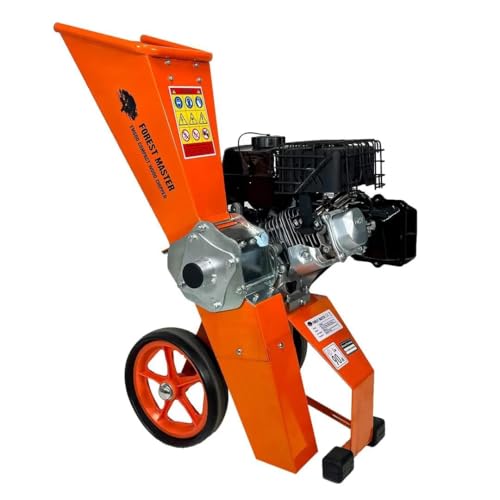
maintaining your garden shredder for optimal performance
As a devoted gardener, your garden shredder is an invaluable tool for managing garden waste efficiently. Regular maintenance is key to ensuring your shredder operates smoothly and effectively. In this guide, we will explore essential tips for maintaining your garden shredder, enabling you to achieve optimal performance and longevity from your equipment.
Cleaning the Shredder Regularly
One of the most important aspects of maintaining your garden shredder is regular cleaning. After each use, take a few minutes to remove any debris or clogs that may have accumulated. Use a soft brush or a damp cloth to wipe down the exterior and remove any stuck material from the blades. For deeper cleaning, ensure the shredder is unplugged, then carefully access the cutting chamber to remove any remnants of branches or leaves.
Checking and Sharpening Blades
The efficiency of your garden shredder largely depends on its blades. Dull blades can lead to poor performance and can even cause motor strain. To maintain sharpness, check the blades regularly for wear and damage. It is advisable to sharpen the blades at least once a season or more frequently if you use the shredder often. You can use a sharpening stone or take them to a professional for precision sharpening. Make sure to follow the manufacturer's guidelines on the proper angle for sharpening.
People Also Look For:
Lubricating Moving Parts
For optimal performance, it is crucial to keep the moving parts of your shredder well lubricated. Use a light machine oil to lubricate the gears and bearings, ensuring smooth operation. Pay special attention to areas that experience friction, such as the motor and any pulleys. Regular lubrication can extend the lifespan of your shredder and reduce the likelihood of mechanical failures.
Inspecting Electrical Components
For electric garden shredders, always ensure that all electrical components are in good working order. Regularly inspect the power cord for any signs of wear or damage. If you notice any fraying or exposed wires, replace the cord immediately to prevent safety hazards. Also, check the plug and outlet for any signs of malfunction. Keeping your shredder's electrical components in top condition is vital for safe and reliable operation.
Storing Your Shredder Properly
Proper storage is essential for the longevity of your garden shredder. After cleaning and maintenance, store your shredder in a dry, sheltered area to protect it from moisture and extreme temperatures. If possible, use a cover to provide an additional layer of protection against dust and debris. Ensure that the shredder is stored upright to avoid any potential damage to the blades.
Following Manufacturer Instructions
Every garden shredder comes with a user manual that contains specific maintenance guidelines and safety instructions. Take the time to read through these instructions carefully, as they will provide valuable insights tailored to your model. Adhering to the manufacturer's recommendations can prevent issues and ensure that your shredder performs optimally for years to come.
Handling Repairs Promptly
If your garden shredder begins to show signs of malfunction, such as unusual noises, vibrations, or a failure to start, do not ignore these signs. Address any minor repairs promptly to avoid more significant issues down the line. Familiarise yourself with common problems that may occur and learn how to troubleshoot them. If you are unsure, consider consulting a professional repair service to handle more complex issues.
Utilising Your Shredder Efficiently
To maintain your shredder's performance, use it efficiently by feeding it the right materials. Avoid feeding it tough or fibrous materials that can strain the motor. Instead, break down larger branches into smaller pieces before shredding them. This not only protects your shredder but also allows for more effective shredding.