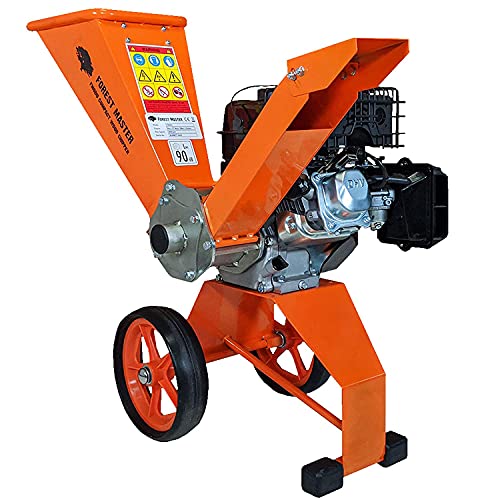
maximize your garden waste recycling with powerful shredders
As we progress through 2026, the importance of efficient garden waste recycling has never been greater. With increasing awareness of environmental sustainability, homeowners are seeking effective ways to manage garden waste. One of the most powerful tools available for this purpose is the garden shredder. These machines can transform bulky garden waste into manageable chips, making recycling easier and more efficient. In this article, we will explore the benefits and features of powerful shredders and how they can help you maximise your garden waste recycling.
Efficiency in Waste Management
One of the primary benefits of using a garden shredder is the efficiency it brings to waste management. Large branches, leaves, and shrub cuttings can take up significant space in your garden or green waste bin. A powerful shredder can quickly reduce these materials to a fraction of their original size. This space-saving feature allows you to process more waste at once, reducing the frequency of trips to the local recycling centre. Additionally, shredders enable you to create mulch from the shredded material, which can be used to enrich your soil and suppress weeds.
Types of Shredders Available
There are generally two types of garden shredders available: electric and petrol. Electric shredders are quieter and more suited for smaller gardens, making them an ideal choice for urban dwellers. They are lightweight, easy to maintain, and often come with features such as automatic feed systems, which can simplify the shredding process. On the other hand, petrol shredders offer more power and are perfect for larger gardens with heavy-duty branches and thick foliage. They can handle tougher materials and operate independently of a power source, allowing for greater mobility.
People Also Look For:
- Einhell Hand Push Lawnmower, 30 cm Cutting Width, 16 L Grass Box
- Flymo EasiStore 380R Electric Lawn Mower, 38 cm Cutting Width, 45 L Grass Box
- Einhell Power X-Change Cordless Lawnmower, 18V, 30 cm Cutting Width
- Forte Electric Lawnmower 1400W with 34cm Cutting Width
- Flymo EasiGlide 360 Hover Collect Lawn Mower 2000W
Features to Look For
When selecting a garden shredder, certain features can greatly enhance your experience. Look for models that offer adjustable cutting mechanisms, allowing you to select the right size for your garden waste. Shredders with multiple settings can handle various types and sizes of materials, from delicate leaves to thick branches. Another important feature is the collection bag. A built-in collection bag makes it easy to gather shredded material, facilitating a cleaner and more efficient process.
Safety Features
Safety should always be a top priority when operating power tools. Many modern garden shredders come equipped with safety features such as overload protection, automatic shut-off, and protective shields. These features help to prevent accidents and ensure that you can use your shredder confidently. Additionally, always remember to wear appropriate safety gear, including gloves, goggles, and sturdy footwear when using your shredder.
Environmental Benefits
Utilising a garden shredder contributes significantly to environmental sustainability. By recycling garden waste, you reduce the amount of organic material that ends up in landfill. This is crucial as organic waste produces methane, a potent greenhouse gas, when decomposed in landfills. Instead, shredded garden waste can be composted or used as mulch, returning nutrients to the soil and promoting healthy plant growth. Furthermore, creating your own mulch reduces the need for store-bought products, which often come in plastic packaging.
Practical Tips for Using Your Shredder
To get the most out of your garden shredder, consider the following practical tips. Always read the manufacturer’s instructions before use to familiarise yourself with the specific features of your model. When shredding, feed materials slowly to avoid jamming and ensure effective processing. Shredding dry materials can also be more efficient, as wet materials may clog the machine. Regular maintenance, such as cleaning the blades and checking for wear, will prolong the lifespan of your shredder and enhance its performance.