Essential Tips for Choosing the Right Garden Shredder
As gardening enthusiasts, we often find ourselves faced with the task of managing garden waste efficiently. Whether it is branches, leaves, or other organic materials, investing in the right garden shredder can make this task much easier. In this guide, we will explore essential tips to help you choose the right garden shredder that suits your needs.
Understanding Your Garden Waste
Before purchasing a shredder, you need to assess the type and volume of garden waste you typically produce. Are you mainly dealing with thin branches and twigs, or do you have larger branches to shred? Identifying the materials you need to process will inform your choice between different types of shredders.
Types of Garden Shredders
There are primarily two types of garden shredders: electric and petrol. Electric shredders are generally quieter, lighter, and easier to handle, making them a popular choice for smaller gardens. They are best suited for regular maintenance of lighter garden waste. Petrol shredders, on the other hand, provide more power and are ideal for larger gardens with substantial amounts of heavy waste. They can handle tougher materials but are heavier and require more maintenance.
Power and Performance
When choosing a garden shredder, pay close attention to the power rating. Electric shredders typically range from 1500 to 3000 watts, while petrol models start from around 4 horsepower. More powerful machines can process tougher materials more quickly and efficiently. Additionally, consider the shredder's cutting mechanism, as well. Some models use blades, while others employ hammers. Blade shredders tend to produce finer mulch, while hammer shredders can handle tougher materials.
People Also Look For:
- Electric Garden Shredder 2800W with 60L Box and Overload Protection
- VonHaus Electric Lawn Mower, 1800W, 52L Collection Bag, 430 mm Width
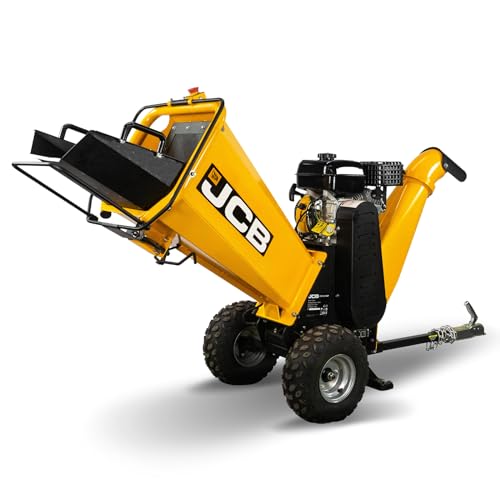
- JCB 7.5HP Petrol Wood Chipper, Heavy-Duty 100mm, 4-Stroke Engine
- Electric Bladeless Mulcher and Shredder 1800W with 80L Collection Bag
- Rotatech 7HP Petrol Wood Chipper for Branches up to 100mm
Feed Capacity and Cutting Width
The feed capacity of a shredder refers to the maximum diameter of the branches it can handle. Most electric shredders can handle branches up to 40mm, while petrol models can process larger diameters. It is also important to consider the cutting width, which affects how quickly you can shred large amounts of materials. A wider cutting width can save time, but ensure it fits the space you have for storage.
Noise Levels
Noise can be a significant factor, especially if you live in a neighbourhood with strict regulations on gardening hours. Electric shredders are quieter compared to petrol models, making them better suited for residential areas. Always check the noise levels specified by the manufacturer if this is a concern for you.
Portability and Storage
Consider the portability of the shredder. If you have a large garden or multiple locations to work on, look for models with wheels or handles for easier movement. Storage is also an essential consideration. Compact models are easier to store in small sheds or garages, while larger models may require more space.
Safety Features
Safety should be a priority when selecting a garden shredder. Look for models that come with safety features such as overload protection, automatic shut-off, and safety guards. These features will help prevent accidents and injuries while using the shredder.
Budget Considerations
Garden shredders come in a range of prices, so it is crucial to establish a budget before you start shopping. While it may be tempting to go for the cheapest option, investing a bit more in a quality shredder can save you money in the long run through durability and efficiency.
Reading Reviews
Lastly, before making a purchase, take the time to read reviews from other customers. This will give you insights into the performance and reliability of the shredder you are considering. Look for models with consistent positive feedback regarding their effectiveness and ease of use.